Historical shifts

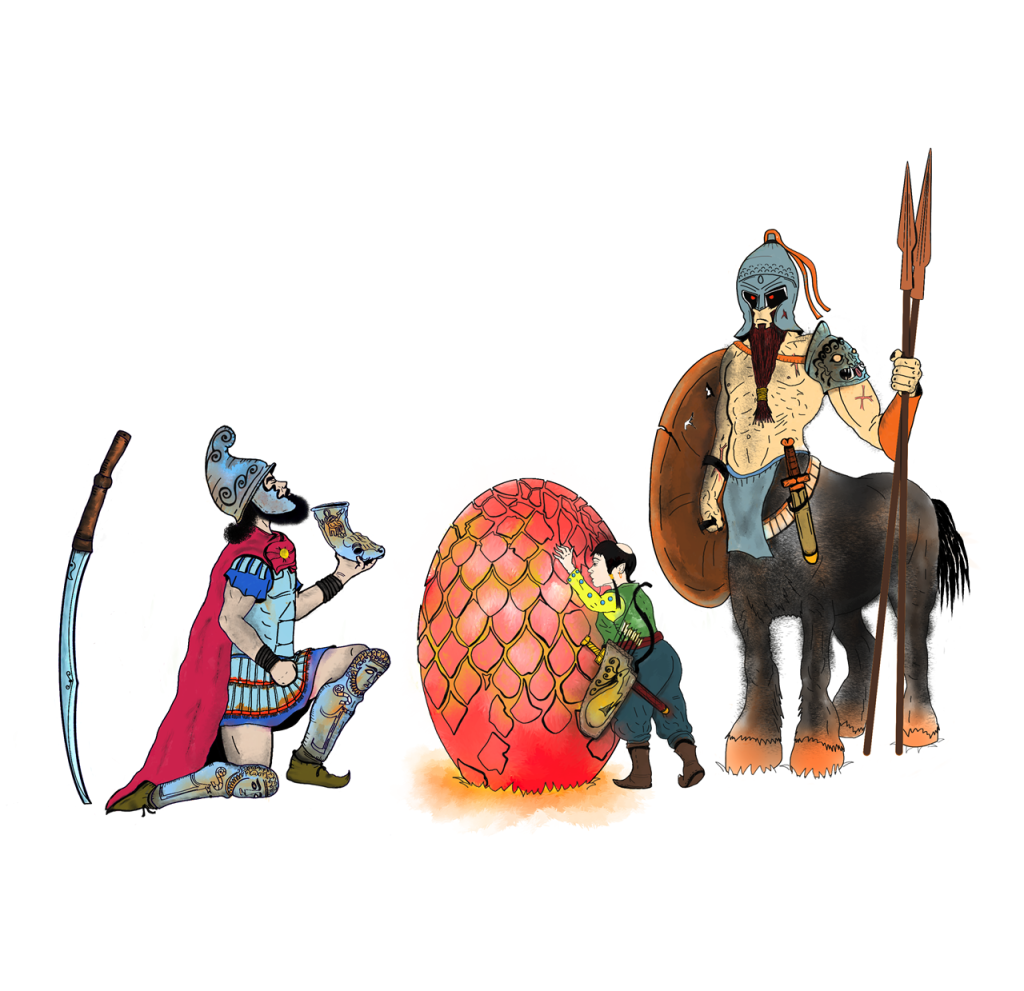
In 2022, I created a #fantasy #drawing that featured a #warrior in Thracian armor, a #hobbit woman dressed in Scythian clothes, and a #centaur equipped with bronze weapons, all gravitating around a #dragon egg. This scene was to be set in a swamp.

However, during this time, #AI technology capable of generating images emerged. Out of curiosity, I decided to experiment with this new tool, inputting the words “Create a swamp with twisted trees”. To my astonishment, the AI generated breathtaking images with a single click — images that surpassed by far my own abilities. This experience left me with a profound realization:  artists are fuc**d.

The ”birth” of AI reminded me of historical shifts, such as Gutenberg’s printing press replacing manuscript copyists and the invention of the camera, which exiled newspaper illustrators to caricature work. In this new confrontation between man and machine, artists find themselves sidelined, their careers threatened.

The ease of replacing an artist with a simple text prompt is alarming. For instance, the opening credits scene of ”Secret Invasion” and a controversial book cover for a Sarah J. Maas novel – both AI-generated – exemplify how major companies are setting a precedent. If industry giants opt to use AI, they send a clear message that anyone can follow.

This sense of injustice was hard to shake when I realized that resisting the AI ​​invasion is futile. Legal actions against companies like Midjourney and Stable Diffusion, which have trained their programs on countless images without artists consent, have not slowed down the development of AI. The profits resulting from AI are predicted to be so enormous that lawsuits do not scare these corporations.

Now, in 2024, I chose to share my drawing. In my post, I included my original work and the AI-generated background, merged together using Photoshop.

Maybe collaboration between humans and machines could lead to innovative forms of expression, but incorporating AI elements into my art felt like a betrayal of my own efforts.

There is a need for clearer regulations and ethical guidelines in the development of AI technologies. Protecting the rights of artists is crucial.

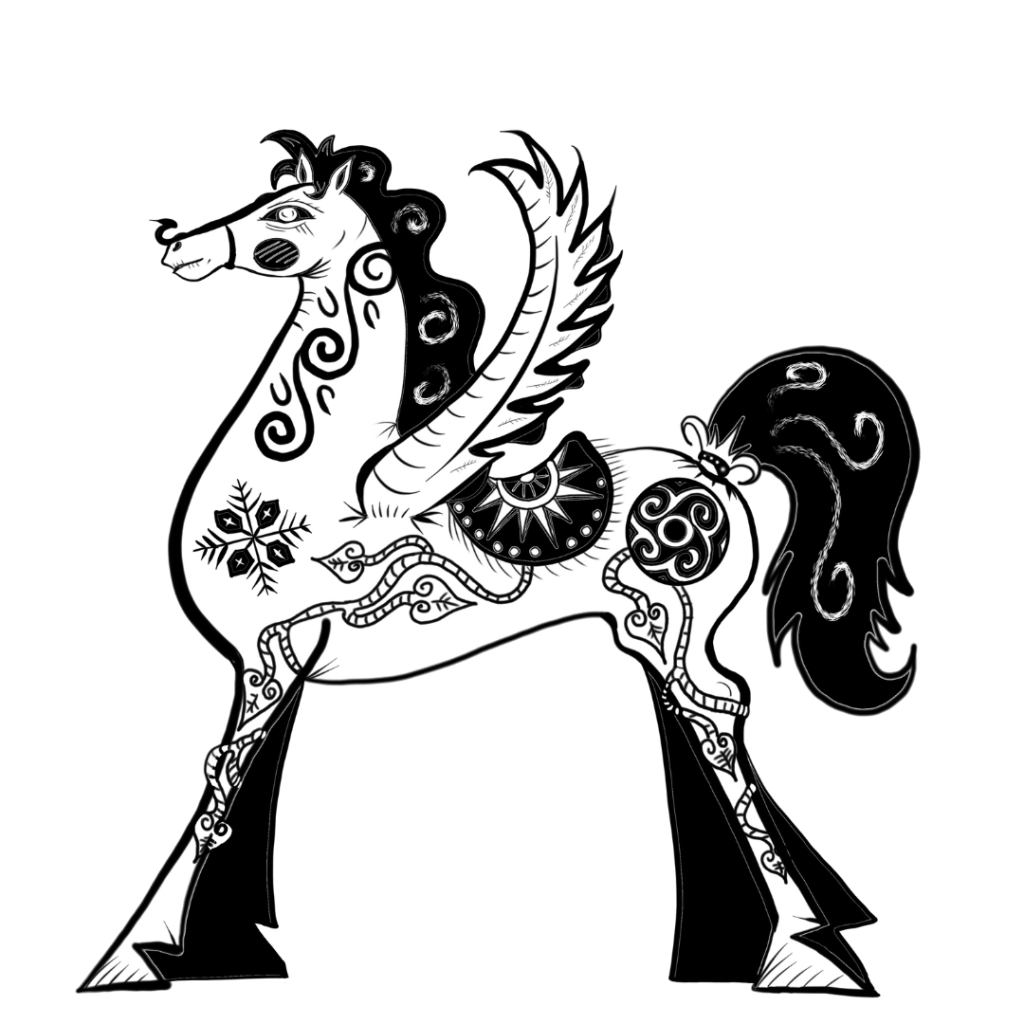
the Năzdrăvan horse

[EN] The fantastic horse from Romanian folklore (the Năzdrăvan horse), in addition to magical qualities such as flight, phenomenal speed, immortality (which his famous brothers Pegasus, Sleipnir and the Unicorn possess), he also has several other assets: for example, the ability to speak, he is the hero’s wise advisor, knows hidden and ancient things, saves his human companion and brings him back to life using magical potions (a mixture of death water to close the wound and life water to revive the lifeless body).
[RO] Calul fantastic din folclorul românesc (calul Năzdrăvan), pe lângă calități magice precum zborul, viteza fenomenală, nemurirea (pe care le posedă faimoșii săi frați Pegas, Sleipnir și Unicornul), mai are și alte câteva atuuri: de exemplu, capacitatea de a vorbi, el este sfetnicul înțelept al eroului, cunoaște lucruri ascunse și străvechi, își salvează tovarășul uman și îl readuce la viață folosind poțiuni magice (un amestec de apa morții pentru a închide rana și apă vie pentru a reînvia corpul neînsuflețit).

Polyphonte

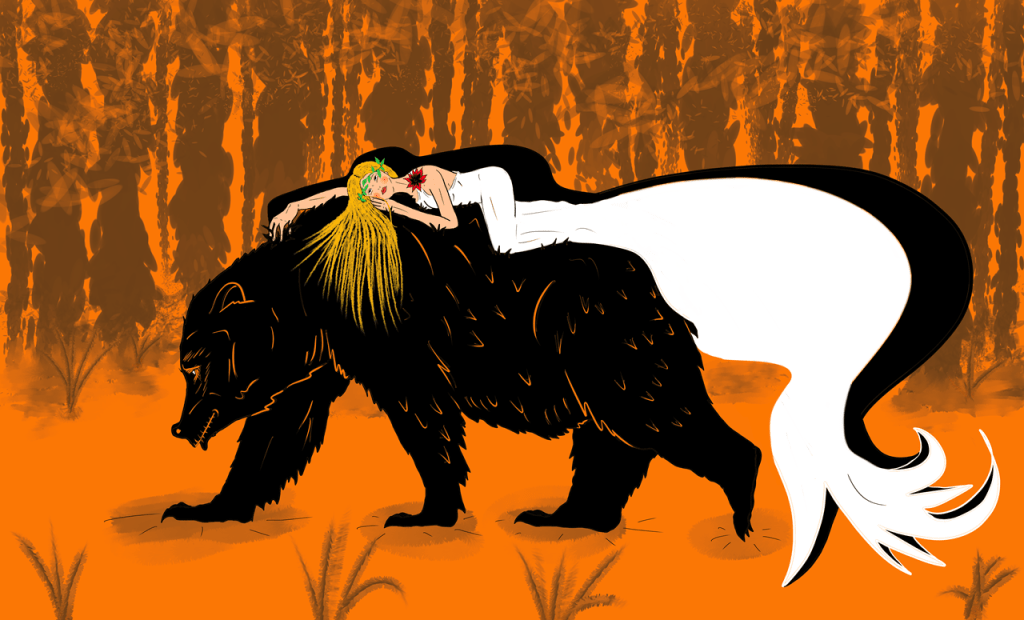
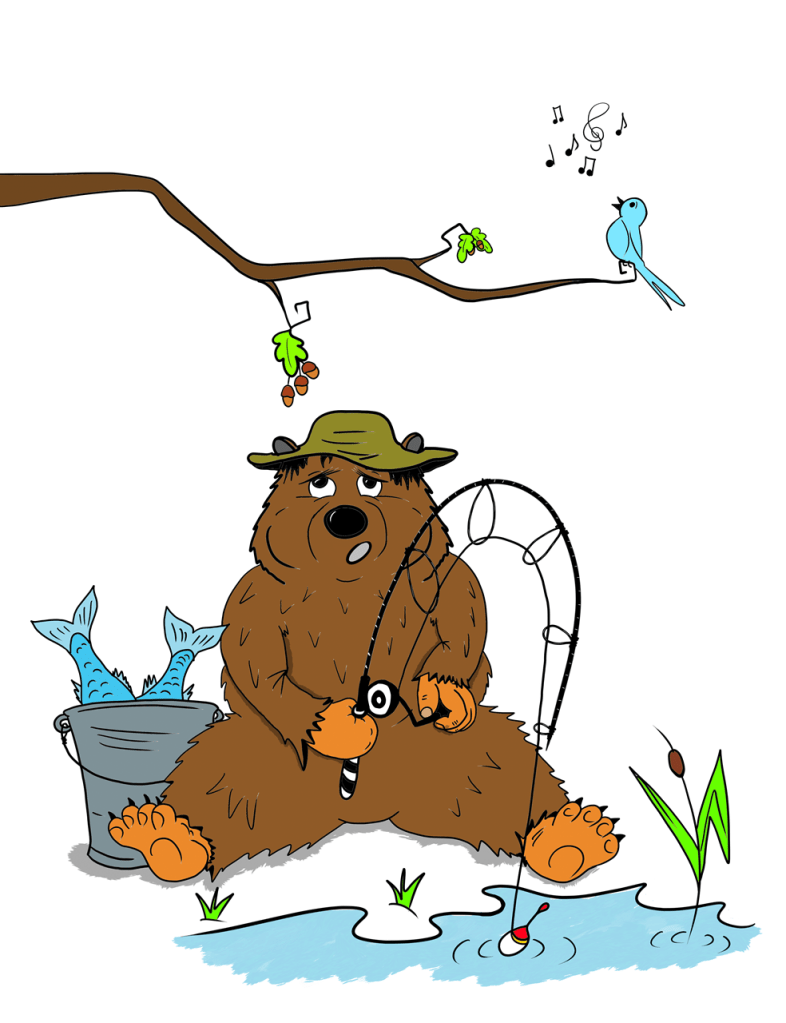
[EN] A lesser-known myth about supernatural beings in the Thracian area comes from Antoninus Liberalis, who tells us that Thrassa, the daughter of Ares (god of war), married a descendant of Triballos (mythical ancestor of a Thracian tribe of the triballoi) and gave birth to Polyphonte. When she was a full grown woman, dazed by a spell, Polyphonte mated with a bear, and gave birth to two giants. Disgusted by the news, Zeus ordered the giants to be killed, but Ares, their grandfather, turned them into birds, protecting them from Zeus’ wrath.

[RO] Un mit mai puțin cunoscut despre ființe supranaturale din arealul tracic îl avem de la Antoninus Liberalis, care ne spune ca, Thrassa, fiica lui Ares, s-a căsătorit cu un urmaș de-al lui Triballos (stramoș mitic al tracilor tribali) și a născut-o pe Polyphonte. Când era femeie în toată firea, năucită de o vrajă, Polyphonte s-a cuplat cu un urs și a născut doi giganți. Dezgustat de veste, Zeus a dat ordin ca giganții sa fie ciopârțiți, dar Ares, din al cărui sânge se trăgeau abominațiile, i-a protejat, transformându-i în păsări.

The Stones can speak

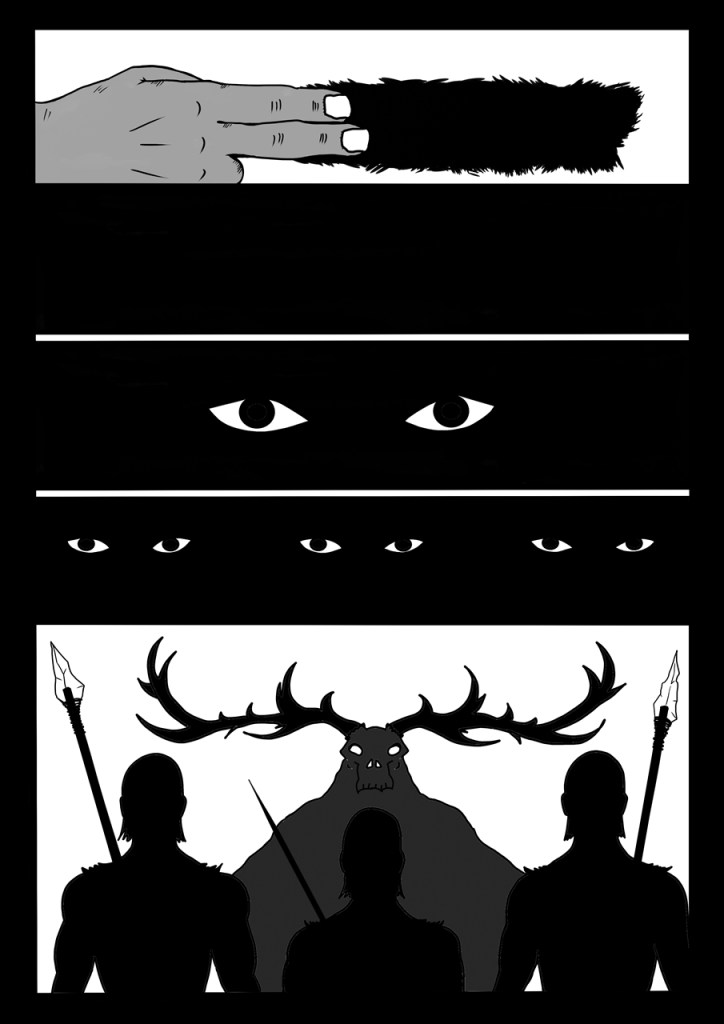
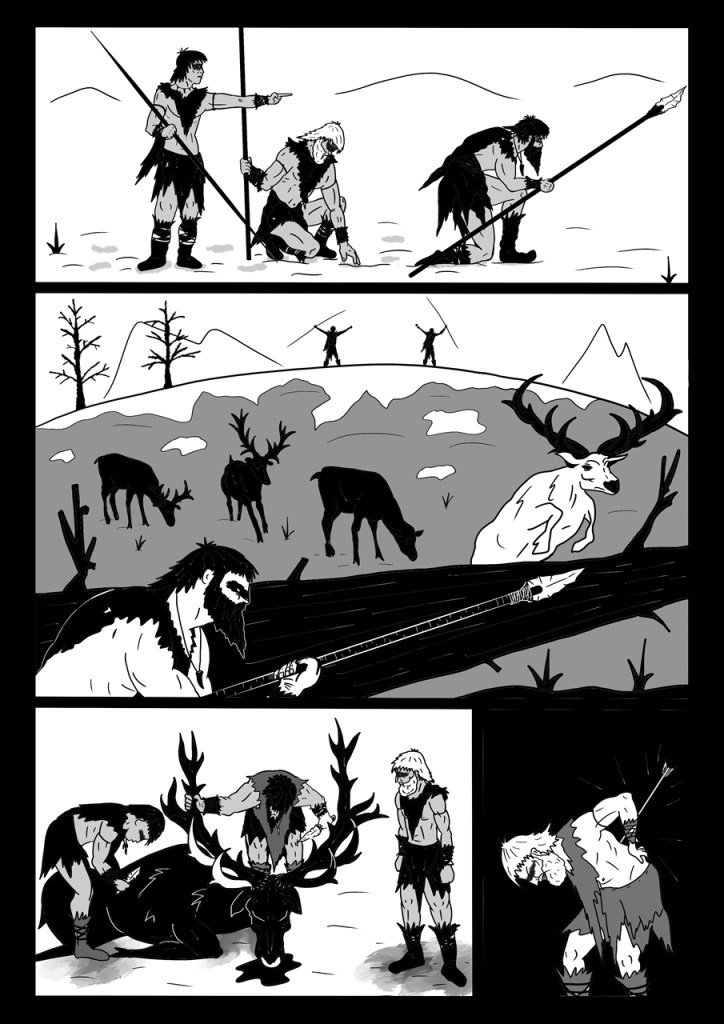
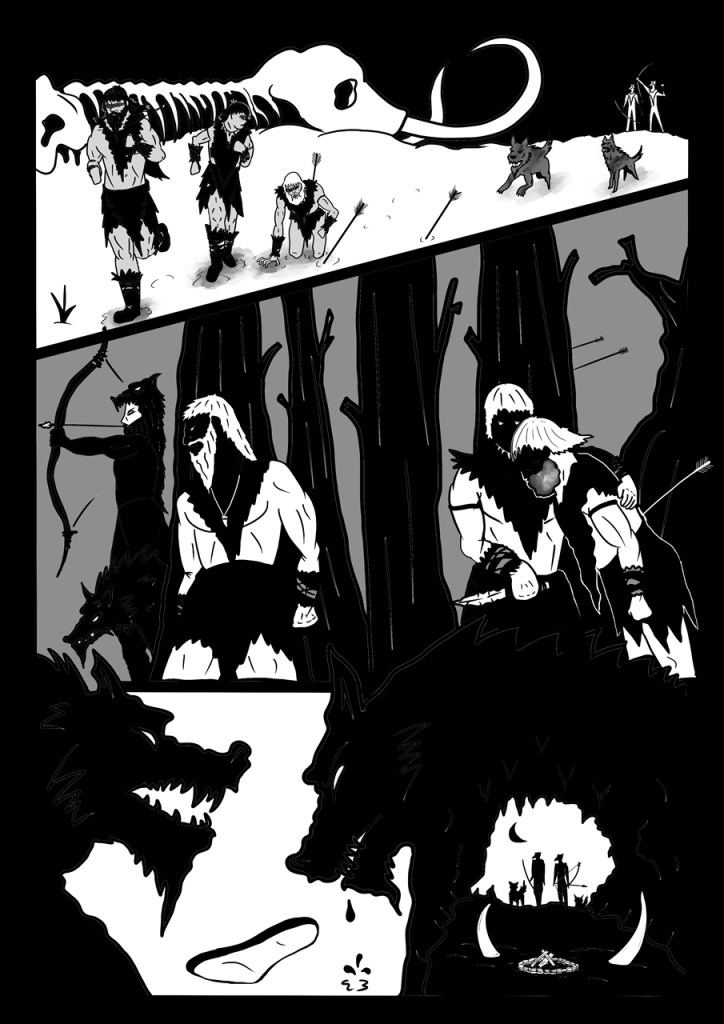
Some stories are too old to have a name, others are too old for anyone to remember them, but witnesses to the old events still exist, they are the stones, and the stones can speak. The stones from Altamira, Lascaux, Font-De-Gaume, Kakadu, Cuevas de la Manos, Măgura, Coliboaia – have seen and heard everything, and now, after tens of thousands of years, they tell us immortal stories. Stories so old that at the end of each of them, doesn’t write ”The End”, but writes: BEGINNING.

Bobo și Emilia

  A fost odată ca niciodată, într-un oraș îndepărtat, o fetiță pe care o chema Emilia.

Pentru că nu avea părinți, ea trebuia să-și poarte singură de grijă. Dormea sub cerul liber, muncea cu ziua în casele oamenilor și își făcea singură de mâncare. 

După o zi întreagă de bătut covoare și șters praful, fetița a primit atât de puțini bani încât și-a permis să-și cumpere doar o înghețată și câteva bomboane. Căutând un loc ferit de ploaie în care să înnopteze, fetița a găsit un pui de zgripțor. Amândoi fiind orfani s-au împrietenit imediat și au decis să-și poarte unul altuia de grijă.

Balada lui Brâncoveanu

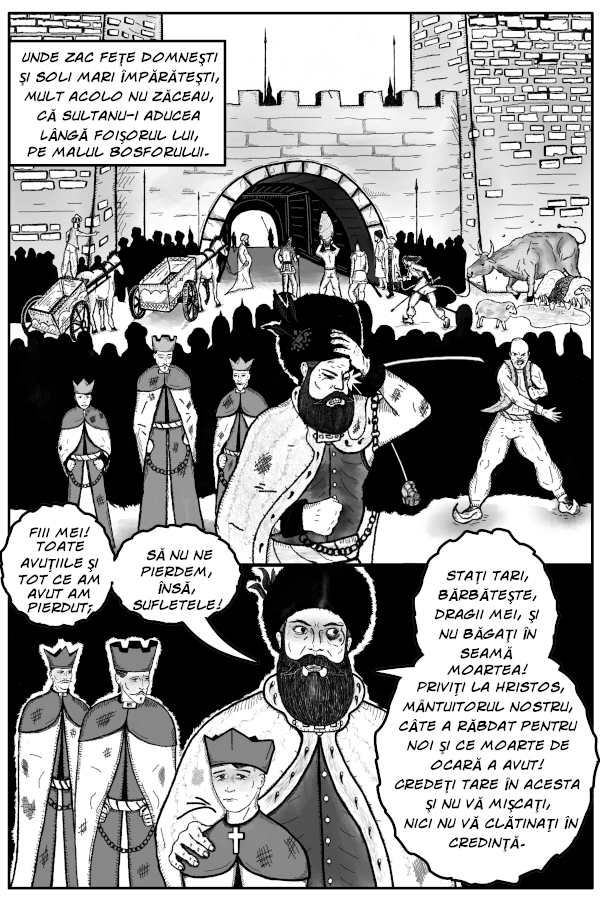
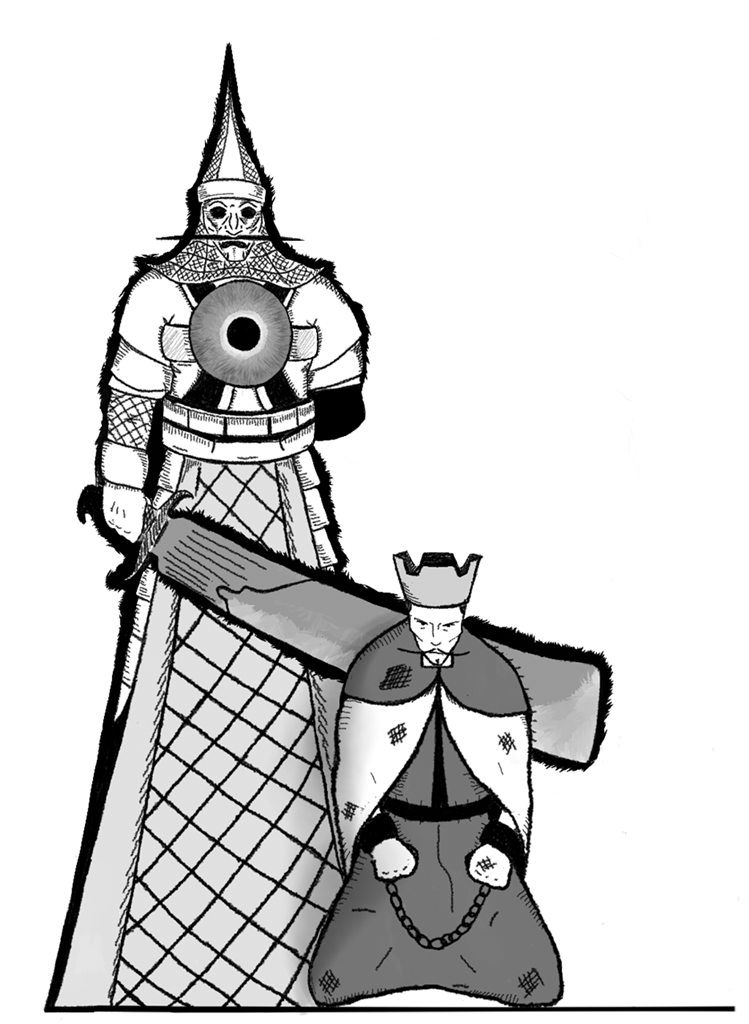
Cartea conține o bandă desenată adaptată după un text cules de Vasile Alecsandri și un studiu istoric despre cele mai de seamă mărturii care fac referire la viața și moartea voievodului Constantin Brâncoveanu. 

Fragment: “Înainte de a se ridica securea asupra capului lor, fură întrebaţi dacă voiesc să se facă turci și atunci vor fi iertaţi. Glasul cel înăbușit de credinţă al bătrânului Brâncoveanu răsună și zise înspăimântat de această insultă: «Fiii mei! Iată, toate avuţiile și tot ce am avut am pierdut; să nu ne pierdem însă și sufletele! Staţi tare și bărbătește, dragii mei, și nu băgaţi seamă de moarte. Priviţi la Hristos Mântuitorul nostru câte a răbdat pentru noi și cu ce moarte de ocară a murit; credeţi tare întru Acesta și nu vă mișcaţi nici vă clătiţi din credinţa cea pravoslavnică pentru viaţa și lumea aceasta.» La aceste cuvinte, Ahmed se făcu ca un leu turbat…”